


What Is a Thread Lift?
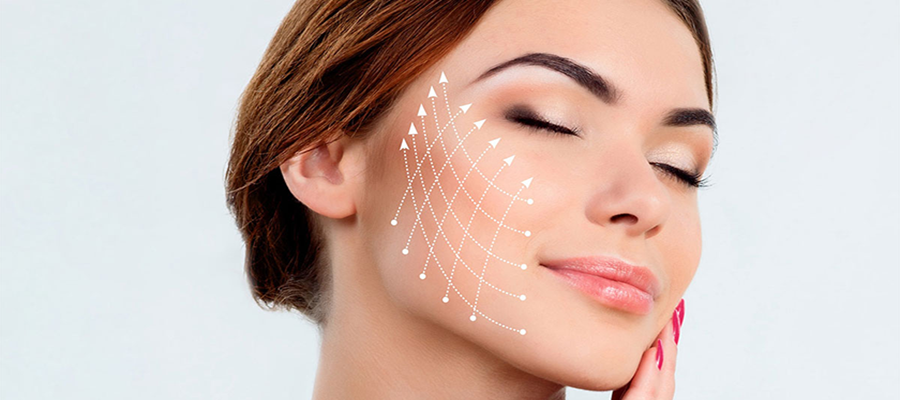
Thread Lift is a facial rejuvenation procedure where specially designed threads are placed under the skin. When these threads are positioned in the deeper layers, they create a support frame that helps the skin look firmer and younger. As the threads are absorbed by the body over time, they also stimulate collagen production. This supports long-lasting renewal and tightening of the skin.
How Is a Thread Lift Performed?
A thread lift is usually done under local anesthesia in a medical office or clinic. The steps are:
Consultation and Planning: The doctor evaluates the skin and the goals. The areas of the face that will receive the threads are planned.
Anesthesia: Local anesthesia is applied to the treatment areas to prevent pain or discomfort.
Placing the Threads: With a special needle, threads are placed into the planned subdermal paths. Proper positioning is critical for success.
Finishing and Recovery: Since there are no incisions on the skin surface, stitches are not needed. Most people return to daily activities shortly after the procedure.
Who Is a Candidate for a Thread Lift?
A thread lift is often recommended for people in midlife with mild to moderate skin laxity. Key points:
There should not be severe sagging; otherwise more invasive methods may be needed.
The person should be healthy with no medical barriers to treatment.
Expectations should be realistic and the limits of the procedure should be understood.
As with any aesthetic treatment, a thread lift has potential risks and side effects. A detailed evaluation with an experienced aesthetic physician or plastic surgeon is important before treatment.
Who Is Not a Candidate for a Thread Lift?
Although a thread lift suits many people, some cases are not appropriate:
People With Severe Sagging: Best for mild to moderate laxity. Severe laxity often needs surgical methods.
Active Skin Disease or Infection: Not advised when there is an active condition on the skin.
Bleeding Disorders: Can increase risk during the procedure.
Very Thin or Fat-depleted Faces: Limited subcutaneous tissue can reduce effectiveness.
Which Areas Can Be Treated With a Thread Lift?
A thread lift can be used on many facial areas. Common targets:
Forehead and Brows: To soften forehead lines and lift the brows slightly.
Eye Area: To reduce the look of under-eye bags and crow’s feet.
Cheeks: To correct midface sagging and give the cheeks a fuller look.
Chin and Jawline: To define the jawline and reduce jowls.
Neck: To improve neck laxity and neck lines.
How Does a Thread Lift Work?
Placed threads act through two pathways:
Mechanical Effect: Threads lift and support tissue for an immediate tighter look.
Biologic Effect: Threads stimulate collagen production. Collagen improves firmness and elasticity. Even as threads dissolve, new collagen helps the skin stay firmer in the long term.
Post-Procedure Care After a Thread Lift
To speed recovery and support results:
Avoid Pressure on Your Face: For the first few days avoid pressure, massage, and vigorous washing.
Avoid Heavy Exercise: Skip intense activity for the first week to limit swelling.
Avoid High Heat: Stay away from sauna, steam, and direct sun for at least one week.
Eat Well and Hydrate: Drink plenty of water and follow a balanced diet.
Follow Your Doctor’s Advice: Use the tailored aftercare plan provided by your doctor.
Advantages of a Thread Lift
Non-surgical: No surgical incisions, which reduces risk and increases comfort.
Short Recovery: Most people return to daily life quickly.
Natural-Looking Results: Preserves facial contours for a fresh, dynamic look.
Longer-Lasting Support: Collagen stimulation can improve results over time.
Flexible: Can be tailored to different face areas and personal goals.
Is a Thread Lift Painful?
It is usually done with local anesthesia, which minimizes pain during the procedure. Mild discomfort, swelling, and bruising can occur after treatment and usually subside within a few days. Most people describe the discomfort as mild and manageable. Use pain relievers only as advised by your doctor.
How Long Do Thread Lift Results Last?
Longevity depends on thread type, skin quality, age, and lifestyle. Results often last 18 to 24 months. Since threads stimulate collagen, some people notice benefits that last longer. Good care and healthy habits can extend this period.
What to Do After a Thread Lift?
Avoid Pressure: Be gentle with your face for the first few days.
Avoid High Heat: For the first weeks avoid sauna, steam, and long sun exposure.
Avoid Heavy Activity: Do not do heavy exercise for at least one week.
Increase Water Intake: Hydration supports recovery.
Eat a Healthy Diet: Nutrient-rich foods help skin renewal.
After Thread Placement, What Should Be Done?
Attend Follow-ups: Go to scheduled checks to monitor healing.
Follow a Skin Care Routine: Use recommended products and daily sunscreen to protect the skin.
Maintain Healthy Habits: Do not smoke, limit alcohol, and sleep well to support longer-lasting results.
Are There Risks With a Thread Lift?
Every medical procedure has potential risks. Most are mild and temporary:
Infection Risk: The skin barrier is crossed, so sterile technique is essential to keep risk low.
Bruising and Swelling: Common and usually resolve in a few days.
Feeling the Threads: Some may feel threads under thin skin.
Asymmetry or Dissatisfaction: Rare when done by an experienced provider, but possible.
Tissue Injury: Very rare cases of tissue irritation can occur.
How Long Does the Effect of a Thread Lift Last?
Duration varies by thread type, age, skin structure, and lifestyle. Results often last 18 to 24 months. Threads dissolve over time, yet collagen stimulation can extend the visible improvement. Healthy habits and regular skin care help maintain results longer.
Is a Thread Lift Safe?
When performed by experienced professionals under proper conditions, a thread lift is generally considered safe. It is done with local anesthesia and uses special threads to lift and tighten. Compared with surgical facelifts, risk is lower and recovery is shorter.
Possible side effects include infection, bruising, swelling, and feeling the threads. Rarely there can be asymmetry or dissatisfaction. Choosing a skilled provider and following pre and post care reduce these risks.
Thread Lift Prices 2025
Thread lift prices 2025 Contact us for more information.
Frequently Asked Questions About Thread Lifts
Is a Thread Lift Effective for Every Skin Type?
Effectiveness depends on skin quality, age, degree of laxity, and overall health. Best results are seen in mild to moderate laxity with some elasticity. In thin and delicate skin, threads may be more noticeable, so careful technique is needed.
With severe laxity, results may be limited and surgical options may be better. A personal assessment is important before treatment.
Do Dynamic Threads Stop Aging?
Dynamic threads can tighten tissue and define contours and they stimulate collagen for a fresher look. Aging is a natural process and cannot be stopped. Threads can reduce and delay signs for a period, but they do not halt aging. Effects usually last 1 to 2 years and repeat treatments may be needed.
Can Threads Break?
Threads are made from strong and flexible materials. Breakage is rare and usually linked to poor technique, low-quality material, or excessive facial strain during early recovery. Choosing an experienced provider and quality materials helps prevent issues.
At What Age Is a Thread Lift Done?
Often used in midlife and later. Ideal candidates have some elasticity but show early sagging and lines. Many start in their 30s or 40s, but suitability depends on the skin and goals. A detailed skin analysis and consultation are recommended before treatment.